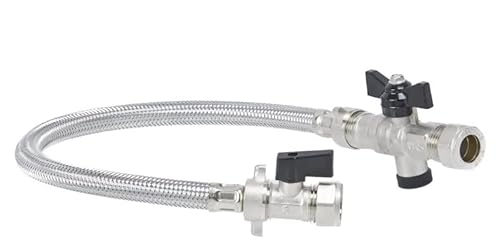
seasonal maintenance checklist for boiler supplies in winter
As the winter months approach, ensuring that your boiler is in optimal condition becomes paramount. A well-maintained boiler not only keeps your home warm but also improves energy efficiency and extends the lifespan of the system. This seasonal maintenance checklist will guide you through the essential steps to prepare your boiler supplies for the cold winter ahead.
Check your boiler's pressure
Before the chill sets in, it's crucial to check the pressure of your boiler. Ideally, the pressure should be between 1 and 1.5 bar. If it's too low, you may need to top it up using the filling loop. However, if you frequently find your boiler pressure dropping, this could indicate a leak in the system, which requires immediate attention.
Inspect boiler components
Conduct a thorough inspection of your boiler components, including the flue, pipes, and radiators. Look for any visible signs of corrosion or damage. Ensure that there are no obstructions blocking the flue, as this can lead to dangerous carbon monoxide buildup. Radiators should be checked for leaks and bled to eliminate any trapped air, which can hinder heating efficiency.
People Also Look For:
Clean and service your boiler
Schedule a professional boiler service before the winter season. Certified engineers can clean internal parts, check for leaks, and ensure that all safety mechanisms are functioning correctly. During this service, the engineer will also examine the combustion and efficiency settings, ensuring your boiler operates at peak performance. Remember, annual servicing is not just a recommendation but a necessity for maintaining warranty conditions.
Check your thermostat
Ensure that your thermostat is functioning properly. A faulty thermostat can lead to uneven heating and increased energy bills. Test the thermostat by setting it to a higher temperature and observing whether the boiler responds. If it does not activate, consider replacing the thermostat with a modern programmable model that allows for better energy management.
Inspect fuel supply
If you have an oil or gas boiler, it's essential to check your fuel supply. For oil boilers, verify that your tank is adequately filled for the winter months. Consider ordering fuel in advance to avoid delays during peak demand. For gas boilers, ensure there are no leaks in the supply line and that all shut-off valves are in good condition.
Stock up on essential supplies
Gather necessary boiler supplies that may be needed during the winter. This includes items like a pipe insulation kit, which can help prevent pipes from freezing, and boiler cleaner for regular maintenance. Additionally, keep a carbon monoxide detector and smoke alarm in working order, as these are vital for safety during the colder months.
Review the heating system
Take a moment to review your entire heating system. Consider whether your current system is adequate for your home, especially if your family or home size has changed. Investing in a more efficient boiler or updating your heating controls can lead to significant cost savings over time.
Prepare for emergencies
Lastly, prepare for any potential heating emergencies. Have a reliable heating engineer on speed dial and know the steps to take if your boiler fails during a cold snap. Familiarising yourself with your boiler’s manual can also be beneficial for troubleshooting common issues.